Learnings from AIWASI

EVENT DETAILS:

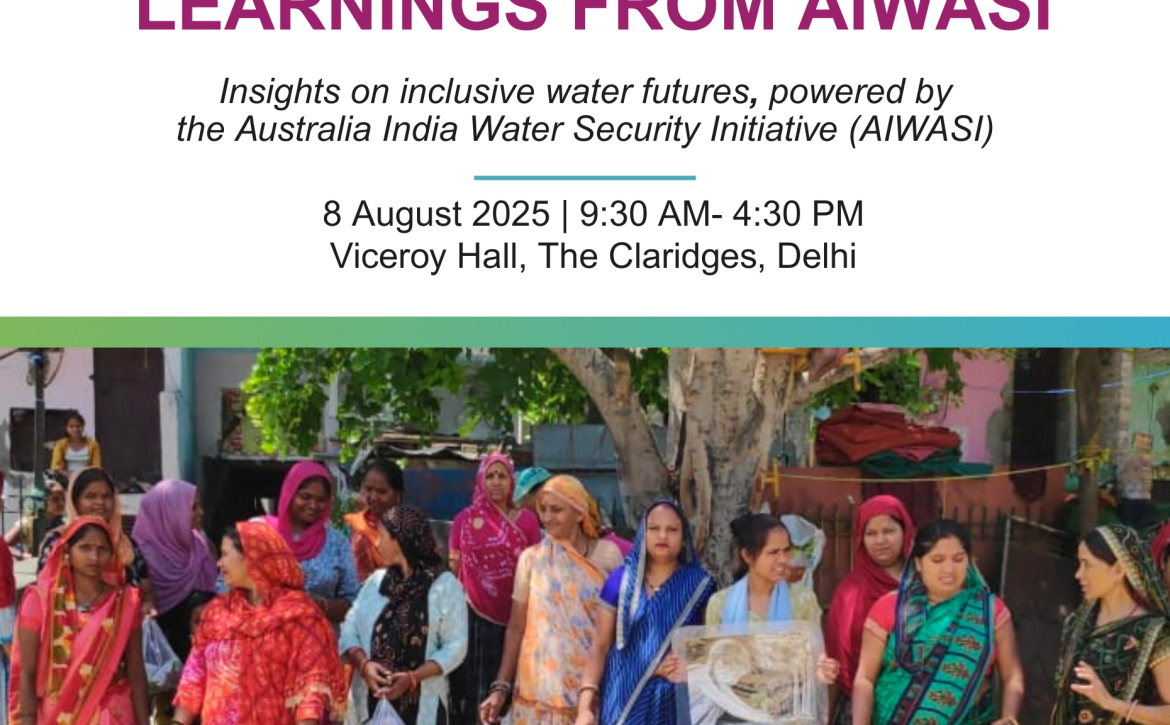
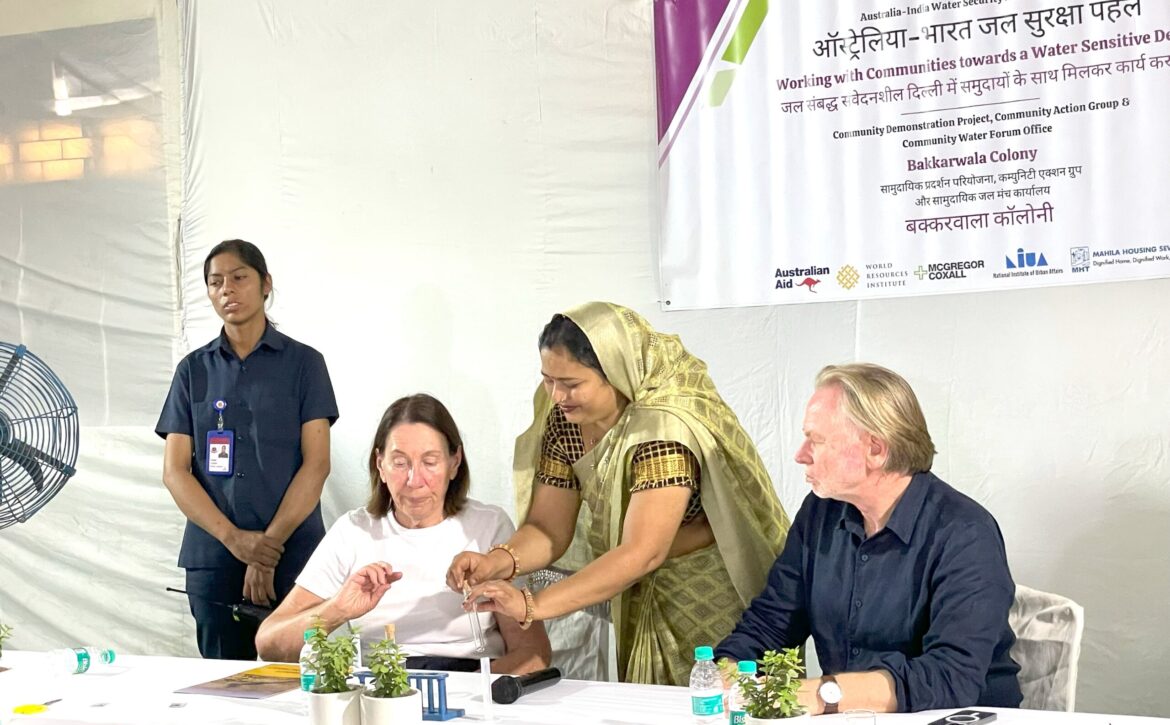
Learning Event of the Australia India Water Security Initiative (AIWASI)
8 August 2025
9:30 AM – 4:30 PM
Viceroy Hall, The Claridges, New Delhi

Register Here

Across India’s cities, the need for resilient, community-driven water solutions grows more urgent. What insights from inclusive, community-led water solutions can shape the future of Indian cities?

Through the Australia India Water Security Initiative (AIWASI), a learning event is being held on 8 August 2025 at The Claridges, New Delhi. In the past few years, AIWASI has envisioned transitioning Indian cities towards becoming water sensitive through a two-pronged approach.

The first is a community-based model aimed at improving water security and livability conditions for two disadvantaged communities in Delhi, aligned with the principles of water-sensitive cities (WSC) and gender equality, disability, and social inclusion (GEDSI). The second is the technical assistance (TA) component, which aims to support the implementation of the AMRUT 2.0 Mission by advancing the goals of water circularity, climate resilience and digital innovation.

As AIWASI comes to a close, this event highlights key insights from the initiative and serves as a platform to:

  • Share achievements, challenges, and lessons learned
  • Reflect on approaches and outcomes realized in project communities for improved service provision in water, sanitation & hygiene (WASH), and climate resilience
  • Encourage discussion on water sensitive cities, and understand how Australian expertise is contributing to promoting Water Circularity and Climate Resilience through technical assistance on Government of India’s flagship AMRUT 2.0
  • Explore opportunities for sustaining and scaling water security initiatives beyond AIWASI

Who might find this useful?

  • Government officials and urban policy practitioners
  • Civil society organizations working on water, climate resilience or inclusive urban development
  • Researchers and technical experts working on urban design and planning
Read More

Co-Creating Water-Sensitive Solutions with Communities

Pilot restoration of a pocket park in Bakkarwala with the community. Photo by Prathna TC/WRI.

By Prathna TC and Ashwathy Anand

In bustling cities like Delhi, master plans provide a blueprint for shaping healthier, more sustainable and livable environments through measures like conserving rivers, lakes and drainage systems. A crucial part of this vision is shifting our cities towards water sensitivity and making water management a core element of urban planning. However, vulnerable communities in these cities face multi-layered challenges in accessing basic resources. For many, large-scale plans feel distant in the face of immediate and urgent needs.

But what if the voices of these communities could become an integral part of the larger solutions?

The Australia India Water Security Initiative (AIWASI) has stepped in with a novel approach: blending community-driven aspirations and actions with top-down planning. AIWASI’s community demonstration project empowers residents from two disadvantaged communities in Delhi – Bakkarwala Resettlement Colony and Mubarakpur Dabas – to collaboratively design water-sensitive solutions.

Building a robust understanding of the community about their risks, uncertainties and solutioning. Photo by Prathna TC/WRI.


Understanding Local Water Challenges

Both of these communities face issues with water access and quality, waterlogging and poor living conditions. Through AIWASI, we engaged with residents to identify problems and develop actionable steps, which helped create a technical master plan with water-sensitive solutions.

Figure 2: Transition from water-sensitive urban design (WSUD) planning to implementation in AIWASI. Illustration by Ashwathy Anand/WRI.

Bridging the Gap Between Top-Down and Bottom-Up Strategies

Traditionally in the Indian context, master plans and development strategies/plans are implemented in a top-down model where government priorities and budgets dictate which projects move forward, often with little input from the affected communities. AIWASI bridged this gap by adopting a hybrid approach that blends top-down and bottom-up strategies, using a joint accountability mechanism where the government and community come together to plan, implement and maintain solutions, by focusing on three key modalities (Figure 2), explained in the sections below.

  • Empowering Communities

    In many cases, marginalized residents don’t have the information they need to navigate the complex web of urban bureaucracy. AIWASI bridged this knowledge gap by providing sensitization training and building the capacity of community members to lead development activities and approach government officials.

    In our previous blog, we shared how Sakina Begum, a resident of Bakkarwala, would face daily uncertainty and an endless wait for water tankers to arrive. She joined a few hundred women in the neighborhood who took matters into their own hands and successfully petitioned for new water supply pipelines. At 70 years old, Rekha Devi had learnt to use the municipal corporation’s mobile app to directly report clogged drains in Mubarakpur Dabas.


  • Leveraging Government Support

    AIWASI recognized the importance of aligning community efforts with government schemes and missions. This ensured that water-sensitive solutions were integrated into broader urban planning and water-related infrastructure initiatives. The community was equipped to conduct vector-borne disease surveillance and shared the results with local civic authorities, who took preventive action. Local bodies also provided saplings of native species for a greening initiative in Bakkarwala.

    The four priority areas (Figure 2), identified through AIWASI, align with city and national-level schemes. For instance, providing basic services (water supply or sewerage) and amenities to households in cities to improve the quality of life is a national priority being actioned through central government schemes like AMRUT 2.0 and Swachh Bharat Mission. Complementary schemes at the state level, like the 20 kL (approx. 5283 US gal) free water scheme, aim to remains available and affordable to all residents of Delhi.

  • Pilot Demonstration

    Underserved communities often lack access to functional public spaces for recreation and overall well-being. Recognizing this, AIWASI launched a week-long pilot demonstration of low-cost, water-sensitive urban design (WSUD) solutions to transform an underutilized space in Bakkarwala into a vibrant pocket park made it universally accessible, especially for those with disabilities in November 2022.

    The park was cleaned and play elements were added for children, helping us engage and sensitize the community; and build trust and support for the larger water-sensitive urban design project. Furthermore, we instilled a sense of ownership over the broader vision of a water-sensitive community amongst more than 150 children.

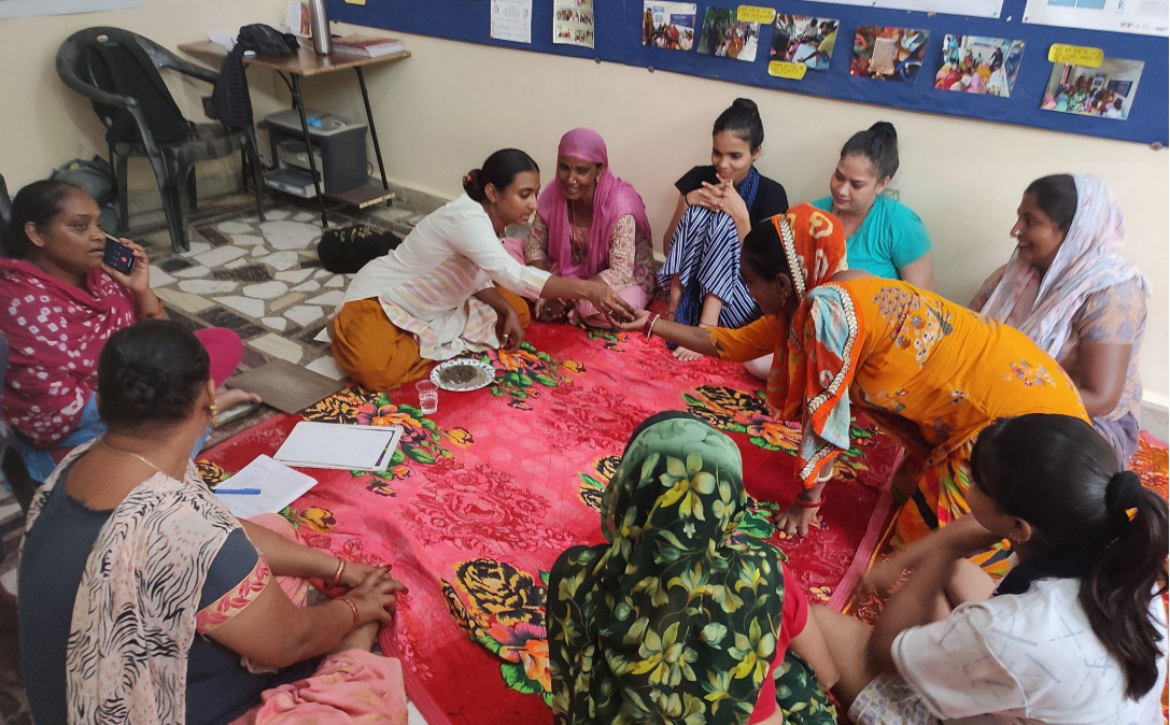
    Besides the park, interventions like rainwater harvesting have been implemented at household level, gradually building a foundation for a water-sensitive community. Residents participated in workshops on transforming waste into wealth, including composting and preparing bioenzymes. They have learned to repurpose plastic waste compacted within plastic bottles to create eco-bricks and are embracing more opportunities to learn skills.

(L) Restoration of a pocket park as a trust building exercise and (R) implementation of household level rainwater harvesting. Photo by Prathna TC/WRI.

By empowering communities, engaging with the government and implementing pilot solutions, AIWASI is building a model for water-sensitive cities. The initiative demonstrates how approaches that are led by and centered in the community are crucial to creating localized impact, strengthening resilience and driving sustainable development.

The first blog in this two-part series anchors the core principles and pillars of AIWASI within the Water Sensitive Cities framework.

Read More

AIWASI Roundtable: Inclusive Solutions for Water-Secure Cities and Communities

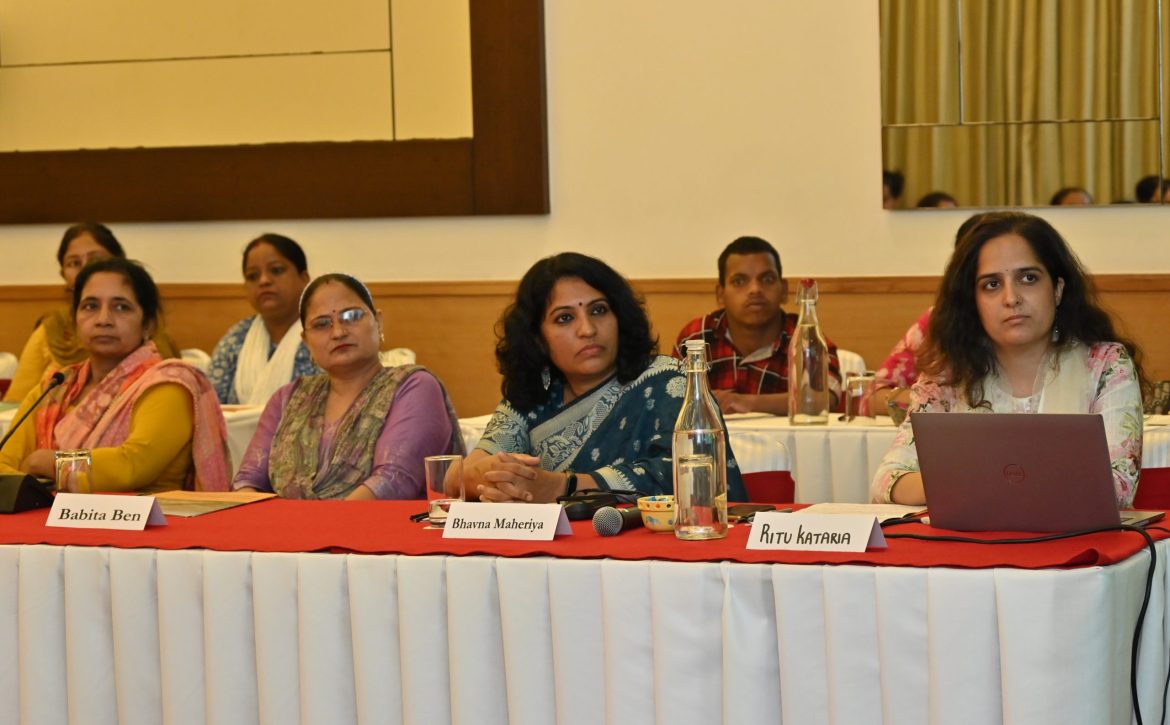
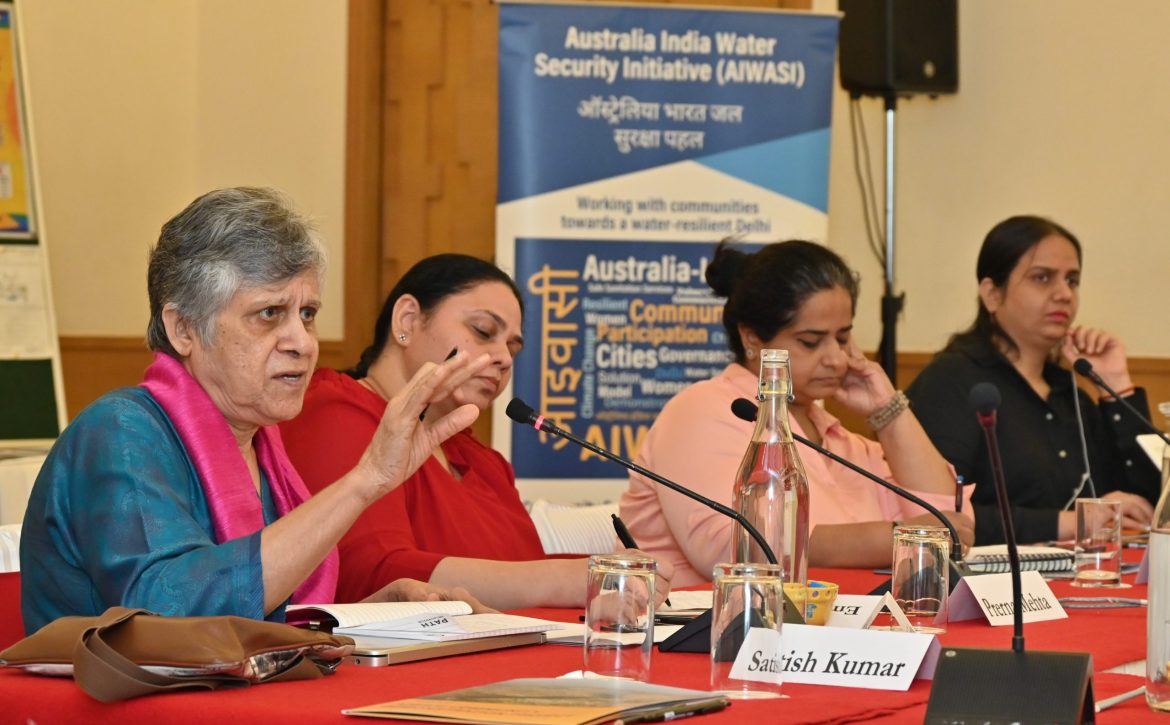
Held in July 2025 in Delhi, the AIWASI Roundtable convened community members, government officials, practitioners and development partners to reflect on inclusive and climate-resilient urban water and sanitation solutions. Hosted by the consortium partners of Australia India Water Security Initiative (AIWASI), the event foregrounded lived experiences, especially those of women and persons with disabilities, in shaping water-sensitive interventions.

Participants highlighted how structured community engagement — through leadership training, participatory tools and locally-driven action planning — has enabled residents to identify, prioritize and address issues such as solid waste, flooding and access to green spaces. Emphasizing intersectionality, speakers underlined the need to integrate disability-inclusive WASH design within broader planning systems, backed by community-led audits and retrofitted solutions.

Discussions also stressed the value of strengthening data systems, promoting hybrid governance models, and moving beyond binary roles of ‘community’ and ‘expert’. The event reinforced AIWASI’s commitment to embedding gender equality, disability, and social inclusion (GEDSI) across policy and practice.

As Ms. Babita, a community member from Mubarakpur Dabas, reflected: “We feel empowered — not just with knowledge, but with the confidence to co-develop solutions for our neighborhood.”

Read More

Adapting the Water-sensitive City Approach for Building Community Resilience

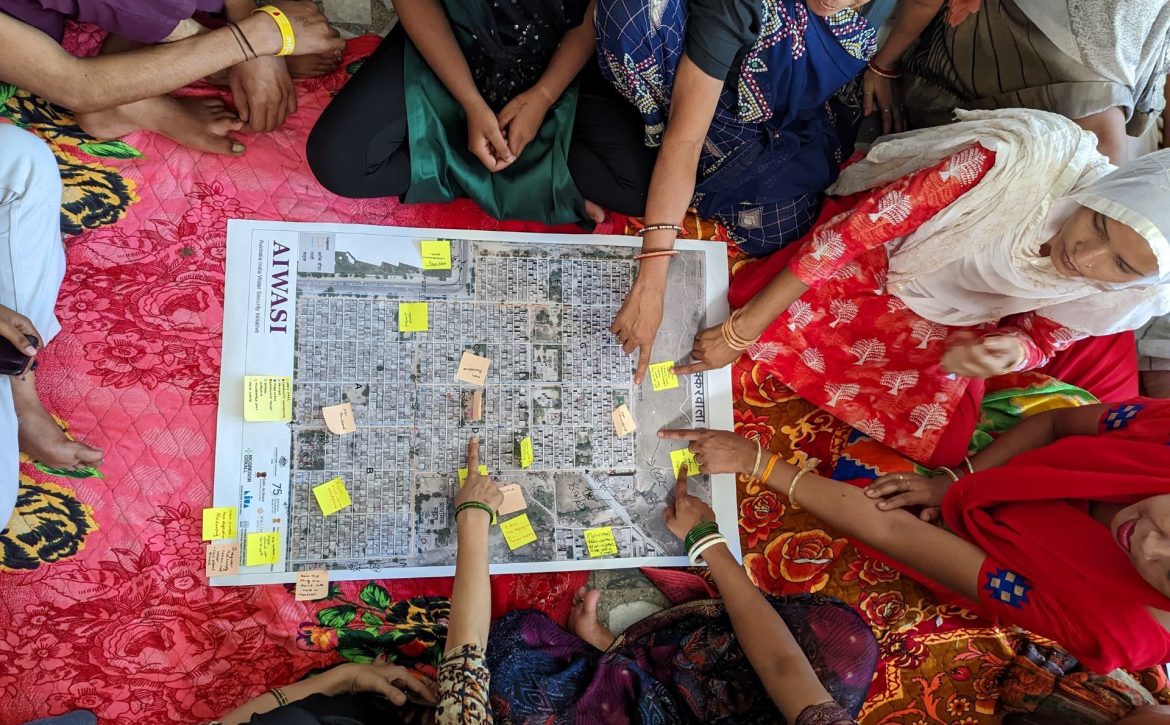
Bakkarwala residents map water solutions for their neighborhood. Photo by Prathna TC/WRI.

By Ashwathy Anand and Prathna TC

In the bustling lanes of Delhi’s Bakkarwala resettlement colony, Sakina Begum wakes up each morning dreading the long wait for the water tanker and the rationing of every drop until the next tanker arrives. Meanwhile, in Mubarakpur Dabas, 70-year-old Rekha Devi bemoans the overflowing drains that clog the streets during the monsoons. Their stories mirror the struggles of millions who face the brunt of water insecurity and urban flooding.

Water insecurity doesn’t just affect health and safety but also disrupts livelihoods. This largely impacts girls and women who are compelled to fetch water and miss out on opportunities and education.

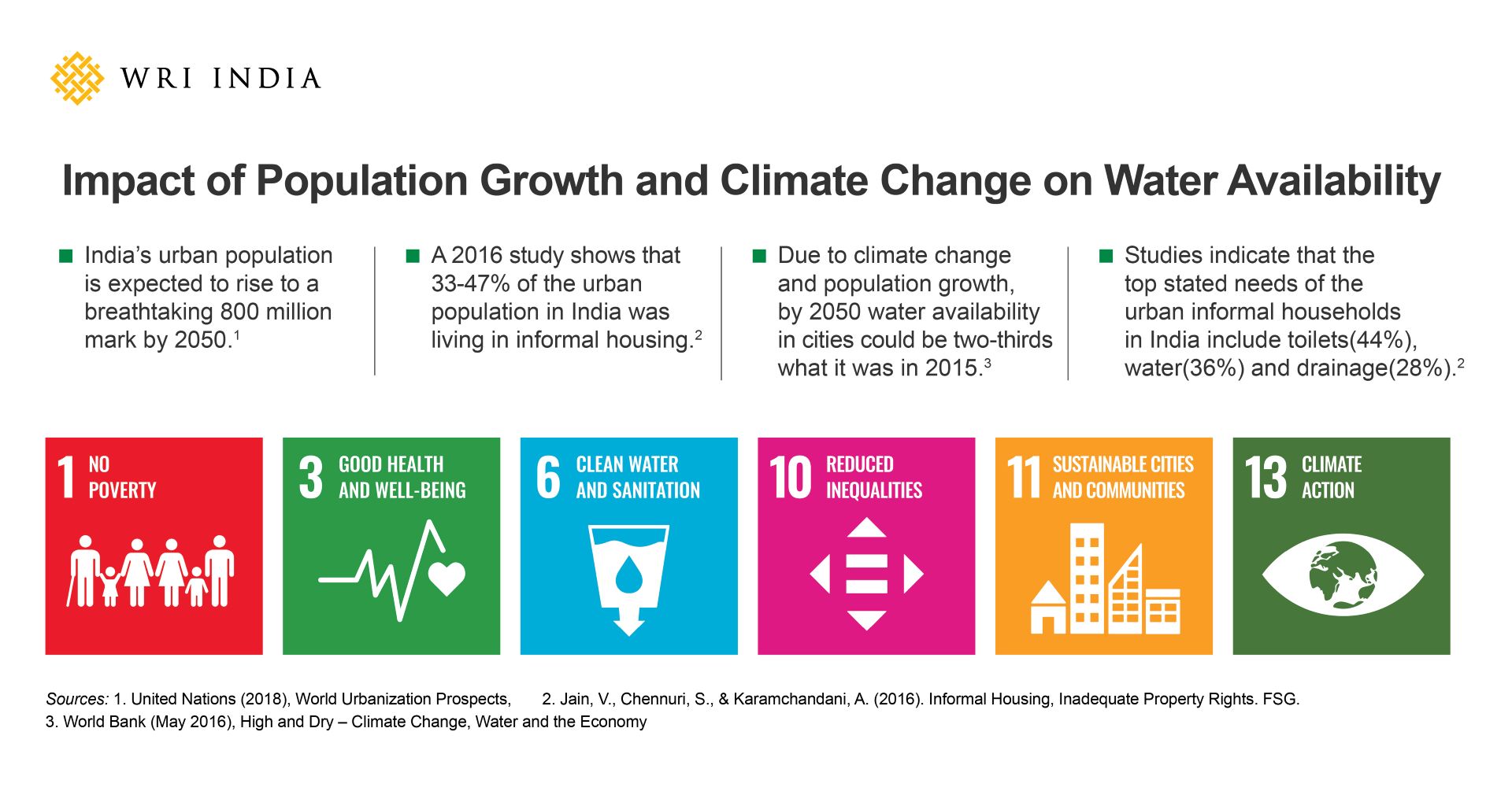
A World Bank study from 2016 underscores these realities: gaps in water, sanitation and hygiene (WASH) services are being compounded by climate change and social inequities. Women like Sakina often shoulder the burden of fetching water and managing households, while elderly residents like Rekha Devi are left vulnerable to health risks. Addressing these challenges is critical to creating future-ready, inclusive cities.
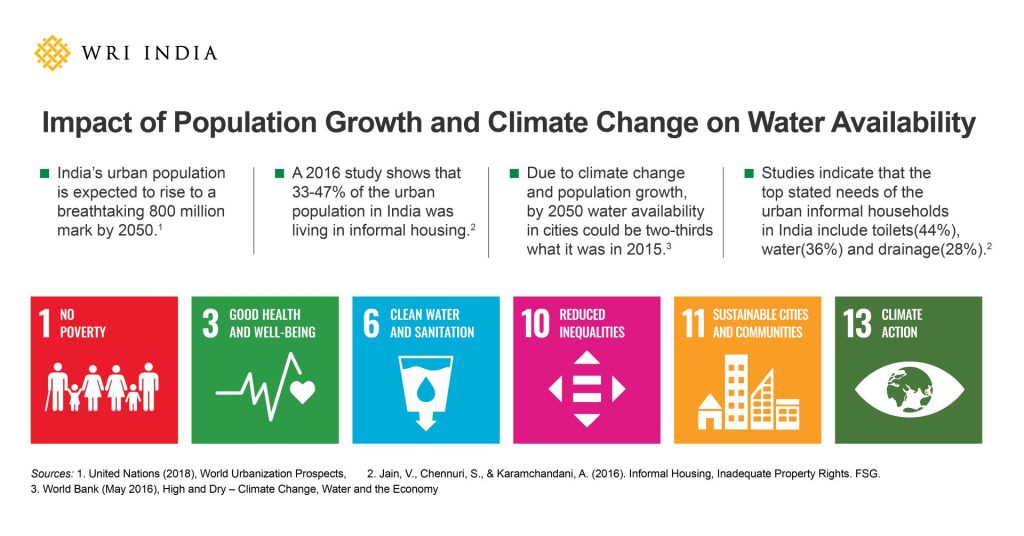
Figure 1: Impact of population growth and climate change on water availability. Illustration by Ashwathy Anand/WRI.


AIWASI’s Vision of Water Security and Livability

The Australia India Water Security Initiative (AIWASI) began in 2021 with support from the Australian government to transition two disadvantaged communities — Bakkarwala and Mubarakpur Dabas in Delhi — towards water security and improved livability by 2025. This goal marks a step towards a water-sensitive city, in line with Gender Equality, Disability and Social Inclusion (GEDSI) principles. Working with community-based organizations, AIWASI integrates resilience, equity and innovation into urban planning and governance to ensure that marginalized voices are heard and prioritized.

UN-Water defines water security as the ability of communities to safeguard sustainable access to safe and sufficient water for livelihoods, well-being, socio-economic development, disaster protection, and ecosystem preservation in a stable and peaceful environment. For Sakina, water security means knowing there will be enough water for her family tomorrow so that her children do not have to stand in line for the unreliable water tankers. For Rekha Devi, it means walking without the fear of slipping due to flooded drains.
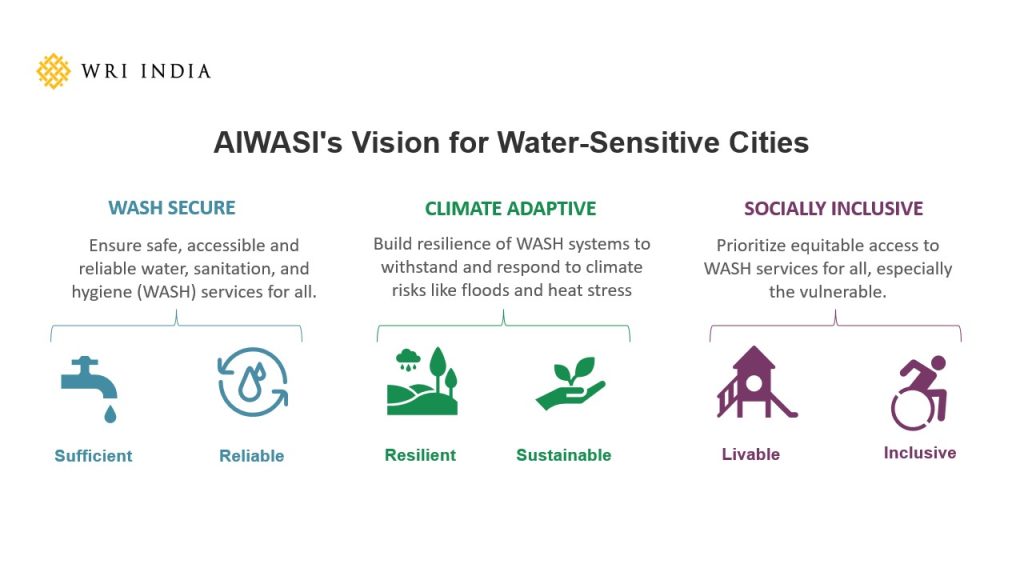
Figure 2: Reimagining water security through the lens of AIWASI. Illustration by: Ashwathy Anand/WRI.

AIWASI has adapted the global definition of water security into six actionable components (refer Figure 2) for the Indian context, focusing on vulnerable settlements. AIWASI aspires to demonstrate pathways that enable access to reliable, quality WASH services and systems, resilient communities and more livable environments for all.

The shift towards a water-sensitive city hinges on the state of WASH services in neighborhoods like Sakina’s resettlement colony and Rekha’s urban village; AIWASI believes that these communities are the heart of the transformation. Women and the elderly, who often manage water for their households and hold valuable local knowledge, are key stakeholders in building resilient water systems.

Figure 3: AIWASI’s tiered approach to transition towards a water-sensitive Delhi through the creation of water-sensitive communities. Illustration by Ashwathy Anand/WRI.

The Three Pillars of Action

Creating water-sensitive cities that prioritize the needs of communities like Bakkarwala and Mubarakpur Dabas requires a focused approach.

AIWASI’s strategy is anchored in three pillars (Figure 3):

1. Empowering Communities: Building Social Infrastructure for Physical Infrastructure

Skill-building has enhanced resilience among residents, and the training employs toolkits such as the Community-Based Vulnerability Assessment Tool (CBVAT) and Community-Based Resilience Action Planning (CBRAP). In Bakkarwala, women like Sakina are engaging in workshops to co-design local water solutions, such as rainwater harvesting systems. Similarly, in Mubarakpur Dabas, senior citizens like Rekha Devi are part of awareness campaigns emphasizing the importance of maintaining community drains. The residents have been trained in vector-borne surveillance, conducting a tree census, composting, repurposing plastic into eco-bricks and pouches, and producing organic bio enzymes. Moreover, they are better equipped to participate in water governance.

2. Collaborative Governance

AIWASI facilitates dialogue between government agencies, community leaders and service providers, ensuring that governance structures are inclusive and responsive. For instance, Bakkarwala’s women community action groups have been taught to monitor water quality and report issues directly to municipal authorities using gamification and modules on governance structures. In addition to workshops by local government experts on safe waste management and circular approaches, the women are taught to lead dialogue and negotiations to improve the delivery of services and utilities.

3. Innovative, Bottom-Up Water-Sensitive Urban Design (WSUD)

Top-down approaches often overlook community-specific challenges. AIWASI promotes solutions created with residents, like a barrier-free park that reduce stormwater run-off, support water augmentation and provide green spaces for all residents to interact. Vulnerable neighborhood blocks, along with women-headed households and those with Persons with Disabilities (PwDs), are prioritized for WSUD implementation. are prioritized for WSUD implementation.

For Rekha, Sakina and their communities, the journey toward water security is personal and urgent. AIWASI’s approach — combining community empowerment, collaborative governance and innovative design — offers a pathway to transform their daily realities. With initiatives like AIWASI, which places women, PwDs and older residents at the center of water-sensitive city planning, we can create climate-resilient urban spaces and ensure that no one is left behind in the quest for water security.
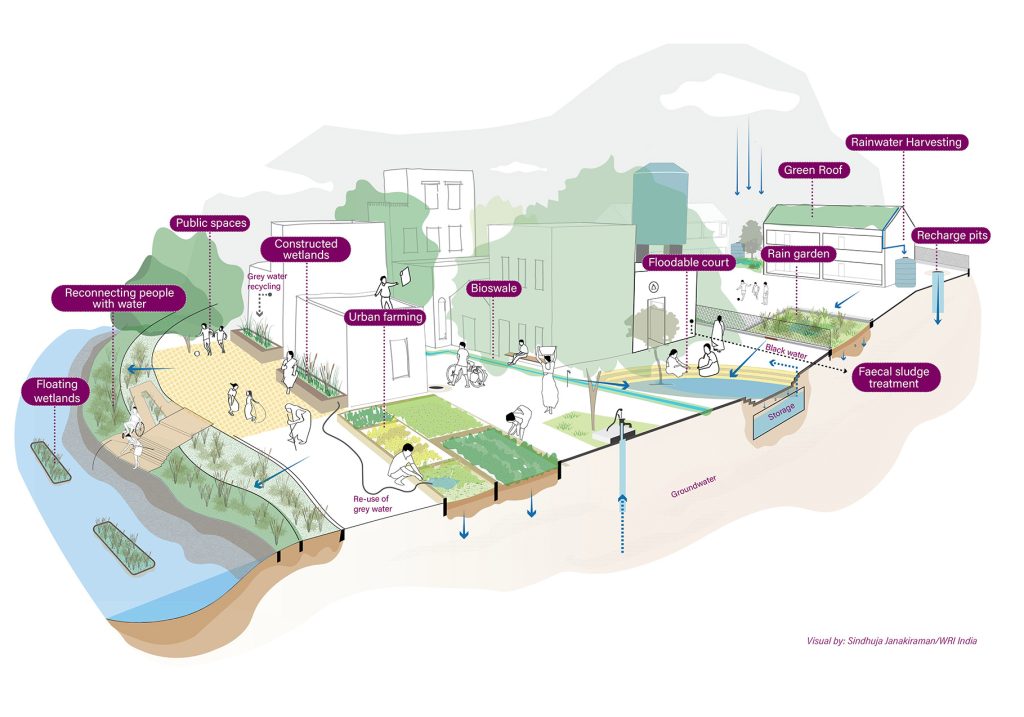
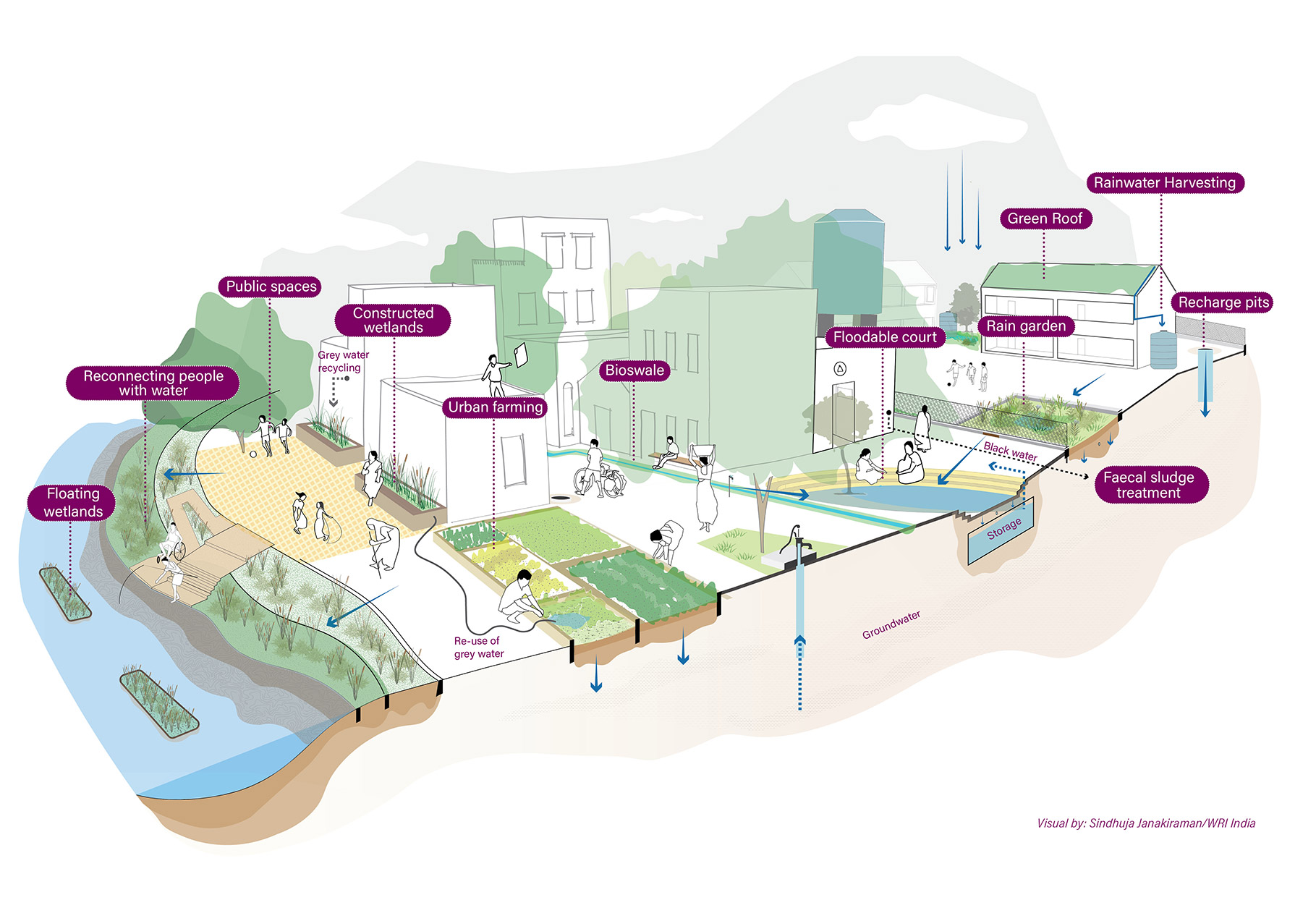
Figure 4: An aspirational example of WSUD implementation to enable a water-sensitive community. Illustration by WRI India.

The second blog in this two-part series will capture the AIWASI process after the WSUD plan-to-action for these two communities.


Read More

Community Water Forums 2025

Community Water Forums

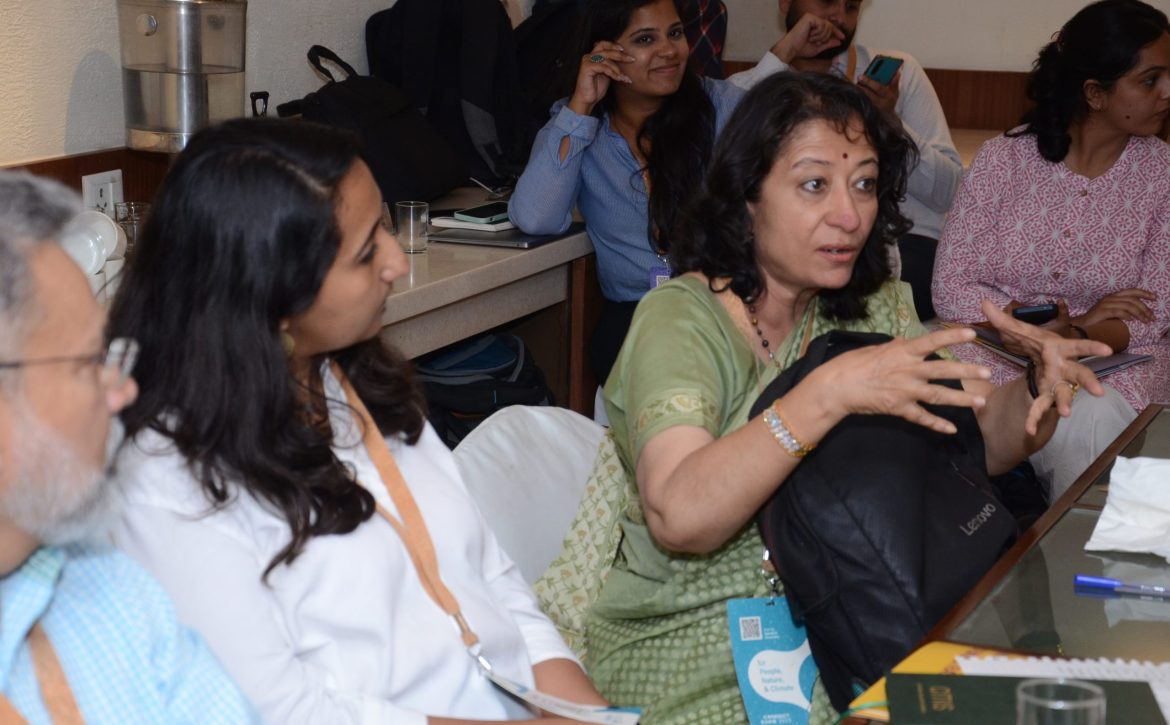
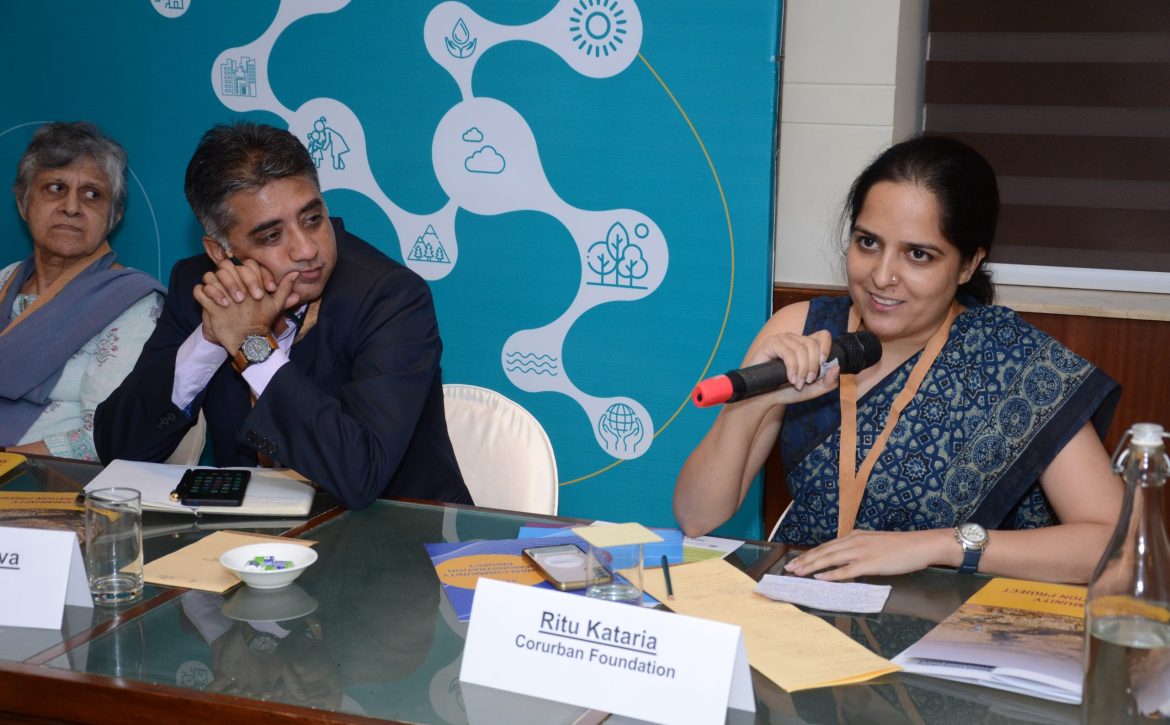
Community Water Forums (CWFs) were held in Bakkarwala and Mubarakpur Dabas to strengthen dialogue betweenresidents and government representatives, including local officials. These sessions focused on key water-sensitive themes such as solid waste management (SWM), green spaces and rainwater harvesting.

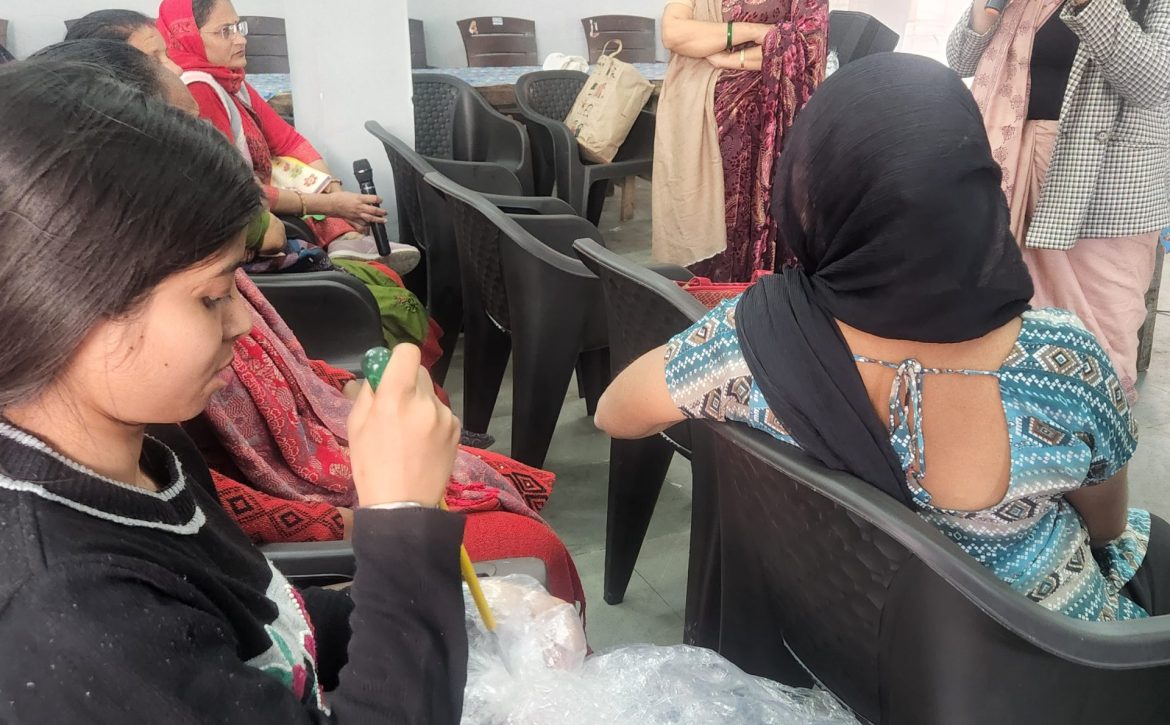
A major emphasis was placed on composting practices, with expert-led discussions guiding residents on how to segregate waste and compost effectively. Participants also explored “Waste to Wealth” concepts, including hands-on training in making eco-bricks using PET bottles and plastic wrappers.

In Mubarakpur Dabas, the forum also included a tree census activity, mapping community preferences for green spaces and underlining the role of vegetation in climate resilience and groundwater recharge. Discussions on household-level and public rainwater harvesting initiatives further supported water-sensitive planning.

Each participating household received a composting kit, and 60 certificates were awarded to community members involved in the tree census.

These forums have helped build shared ownership of urban challenges, enabling stronger collaboration between communities and local authorities, and marking a step ahead in the transition towards a water-sensitive city.

Read More

Connect Karo 2024

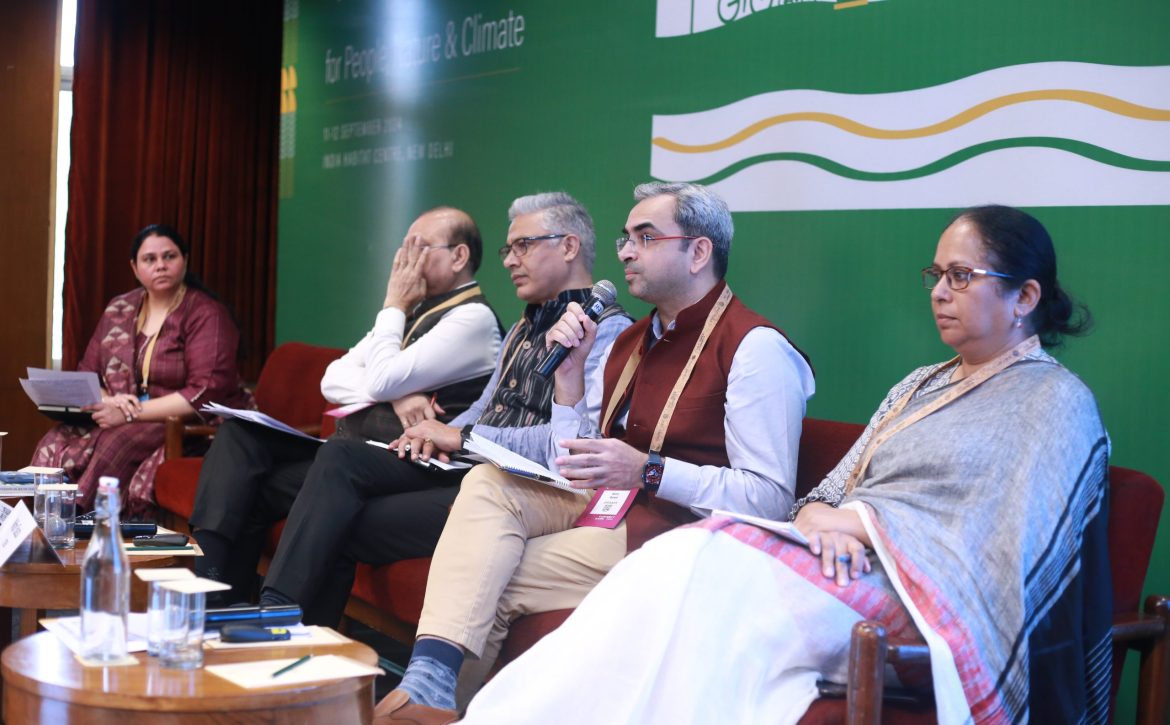
The Water Sensitive Cities approach (WSC) goes beyond technical solutions; it’s about integrating the urban water cycle with our built environment – and driving cultural, social, and institutional changes. This was the crux of our rich discussion with a panel of experts at the Connect Karo 2024 session on ‘Transitioning towards Water Sensitive Indian Cities‘.

In her keynote address, Emily Megow, First Secretary (Development), Australian High Commission, outlined how the Australia India Water Security Initiative (AIWASI) draws upon community knowledge to inform technical interventions. Panelists Rajiv Mishra, Kirtiman Awasthi, Nitin Bassi, Dr. Fawzia Tarannum, and Neha Mungekar, and moderator Prerna Vijaykumar Mehta, explored next steps in strengthening approaches that empower citizens to steer water governance.

The session saw the launch of a compendium on Water Sensitive Urban Design (WSUD), published by National Institute of Urban Affairs (NIUA) with inputs from AIWASI consortium partners. It provides a comprehensive overview of global initiatives that address water quality, flood resilience, and urban liveability challenges, illustrating the effectiveness of nature-based solutions and WSUD.

Read the compendium here: https://niua.in/intranet/sites/default/files/3216.pdf 

Read More

RECOURSE: Resilient Community Opportunities & Urban Services

WRI India hosted the RECOURSE roundtable at Connect Karo 2023 to explore actionable pathways for building urban resilience, particularly in underserved and vulnerable communities. Experts, practitioners and community voices convened to exchange experiences and ideas on strengthening local systems in the face of climate impacts.
A central theme was the need to blend top-down planning with community-led adaptation. Participants stressed that while communities are often the most affected by climate change, they rarely have meaningful influence in shaping the responses. Building local leadership that is agile and informed was seen as key to closing this gap.
Discussions also highlighted smaller towns and overlooked geographies, which face increasing climate risks but receive limited attention and resources. Speakers noted the importance of addressing systemic and behavioral barriers, advocating for quality of services over just quantity, and integrating tools like climate insurance to safeguard homes and livelihoods.
The roundtable reaffirmed that resilience-building efforts must be rooted in local knowledge, inclusive processes, and sustained engagement.

Read More

Clean-Up Drive at Bakkarwala

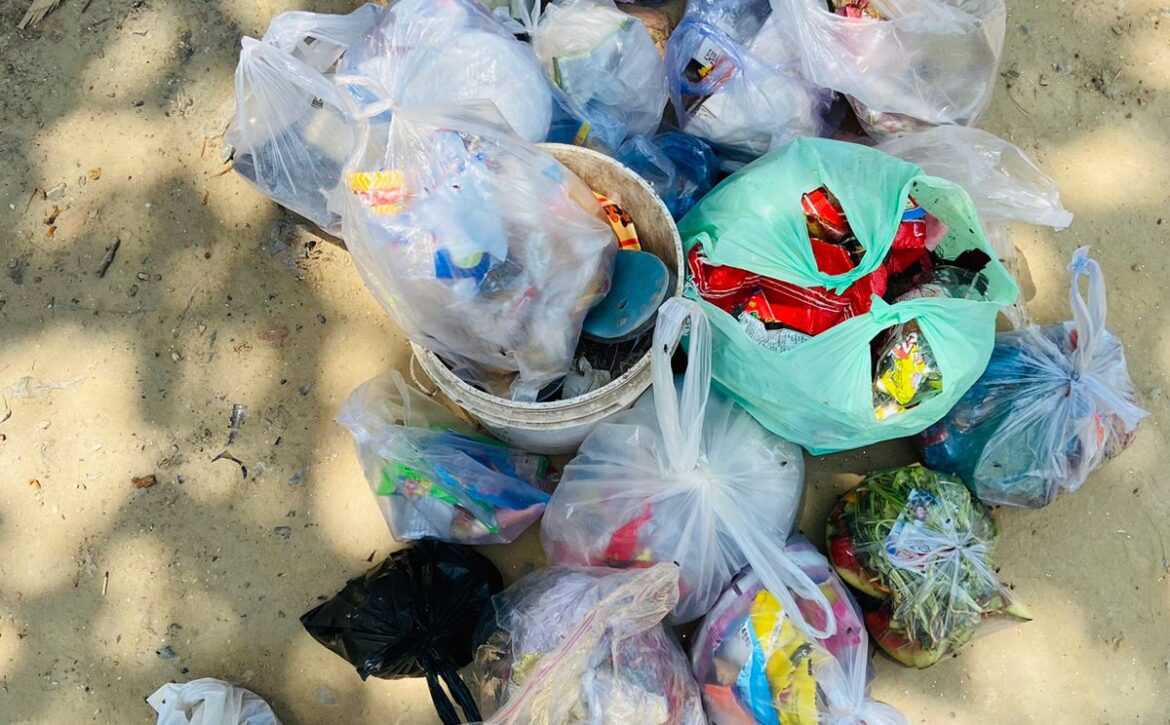
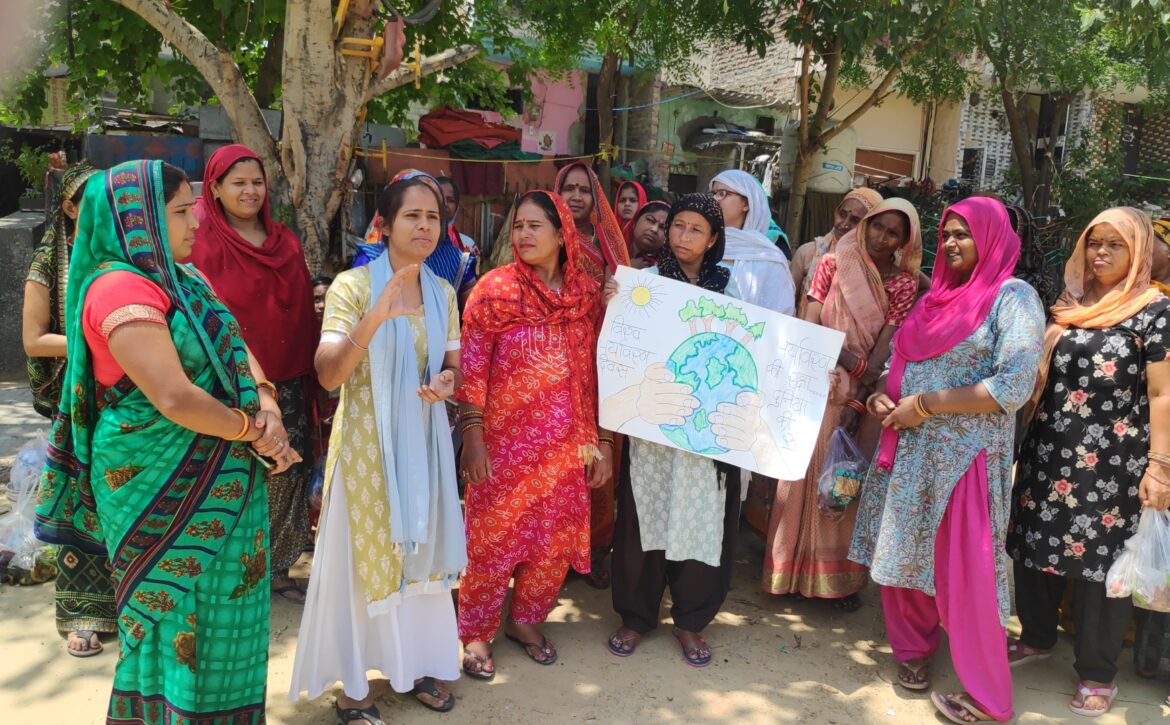
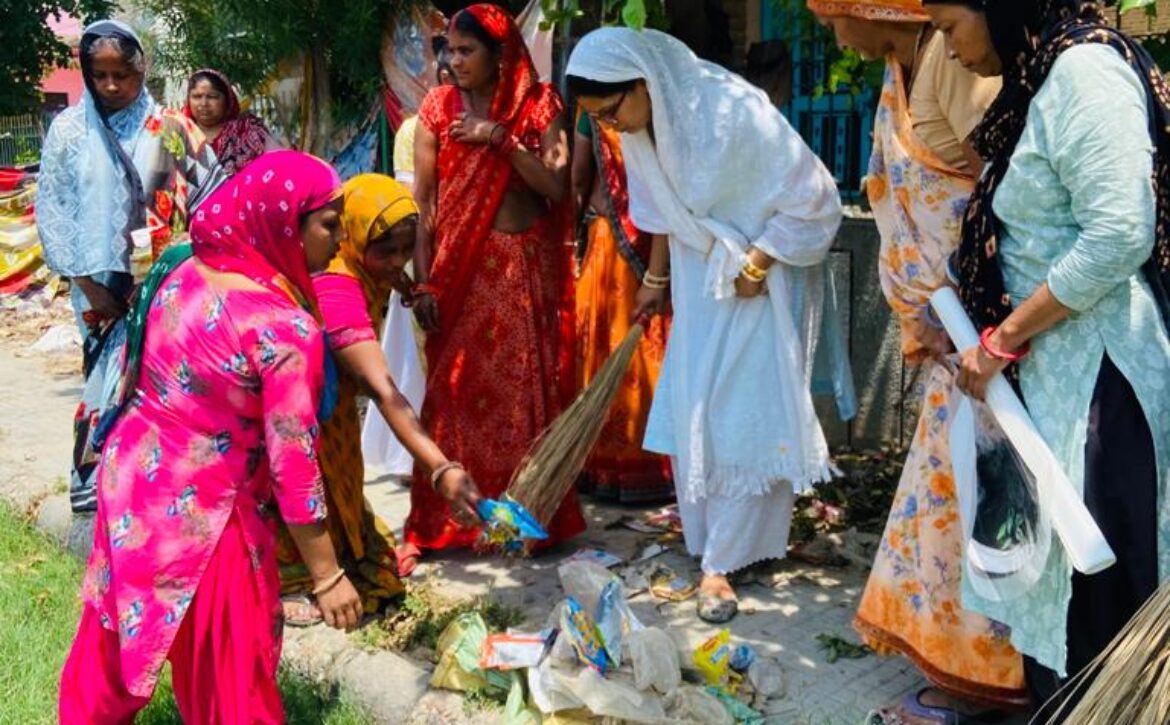
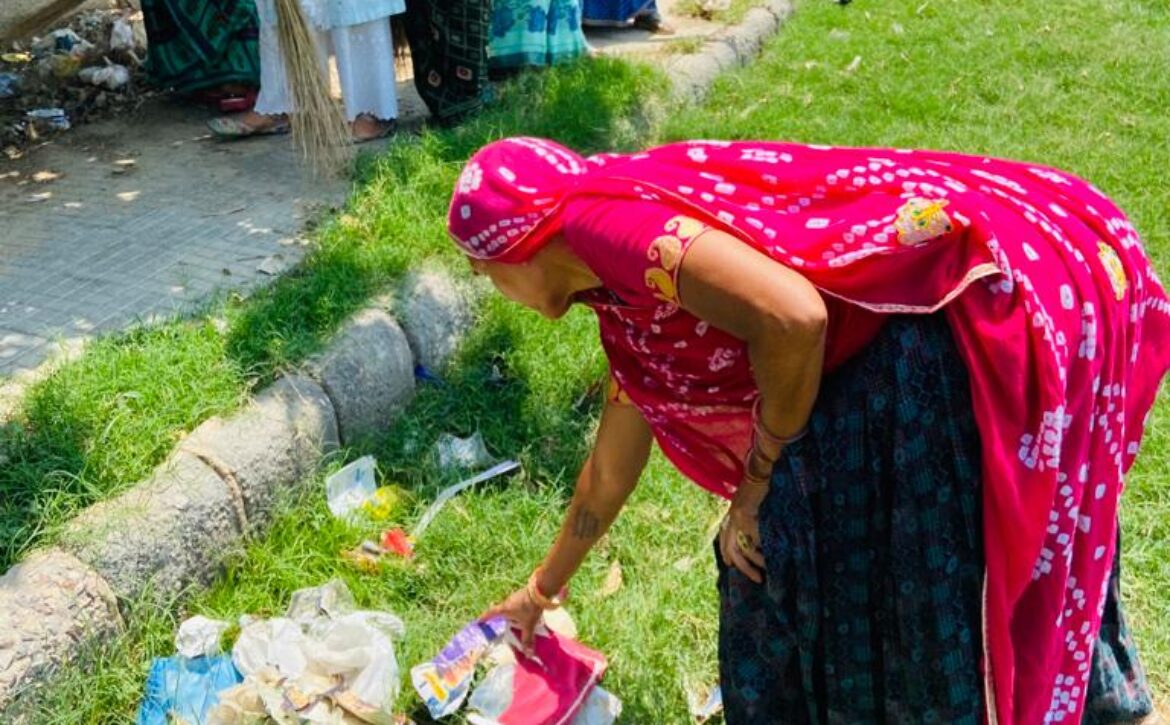
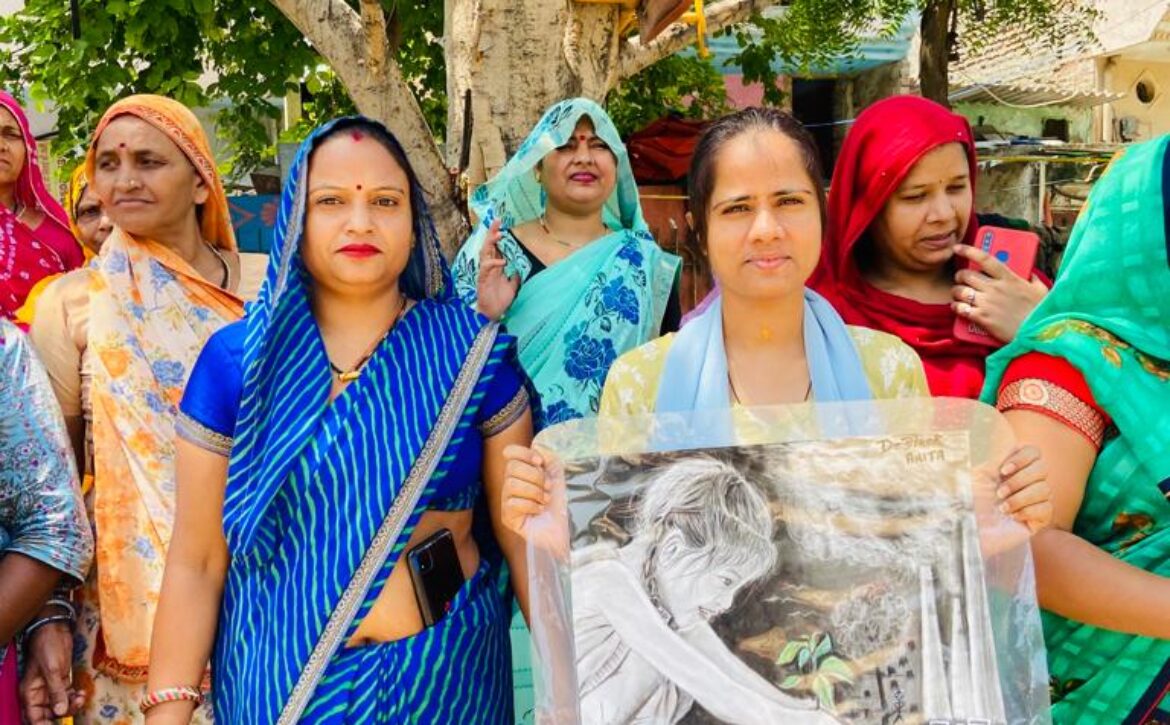
Small actions lead to big change. The women of the Bakkarwala Resettlement Colony, New Delhi celebrated World Environment Day 2023 by collecting plastic waste and solid waste in their community area. They also made posters with creative messages to spread awareness on plastic pollution and how to minimize the use of plastic, as well as waste segregation.

Read More

Senator Visit at Bakkarwala

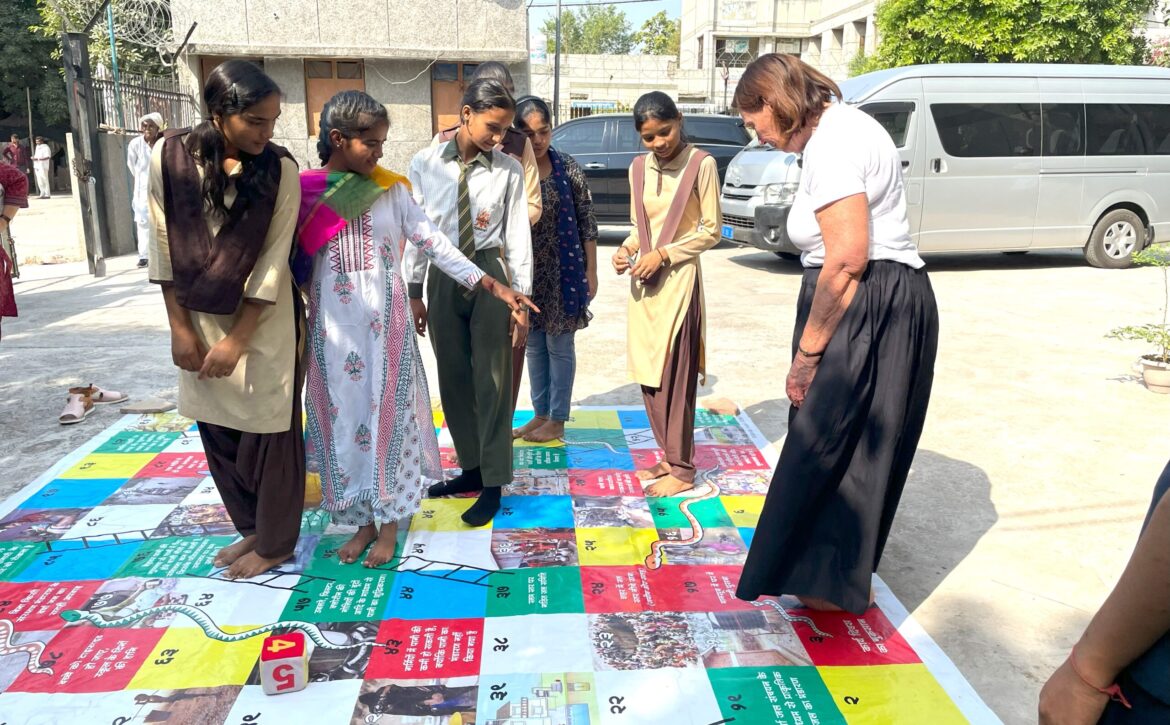
We were honoured to welcome Senator Hon. Sue Lines, President of the Australian Senate, to the Bakkarwala Resettlement as part of the Australia-India Water Security Initiative.

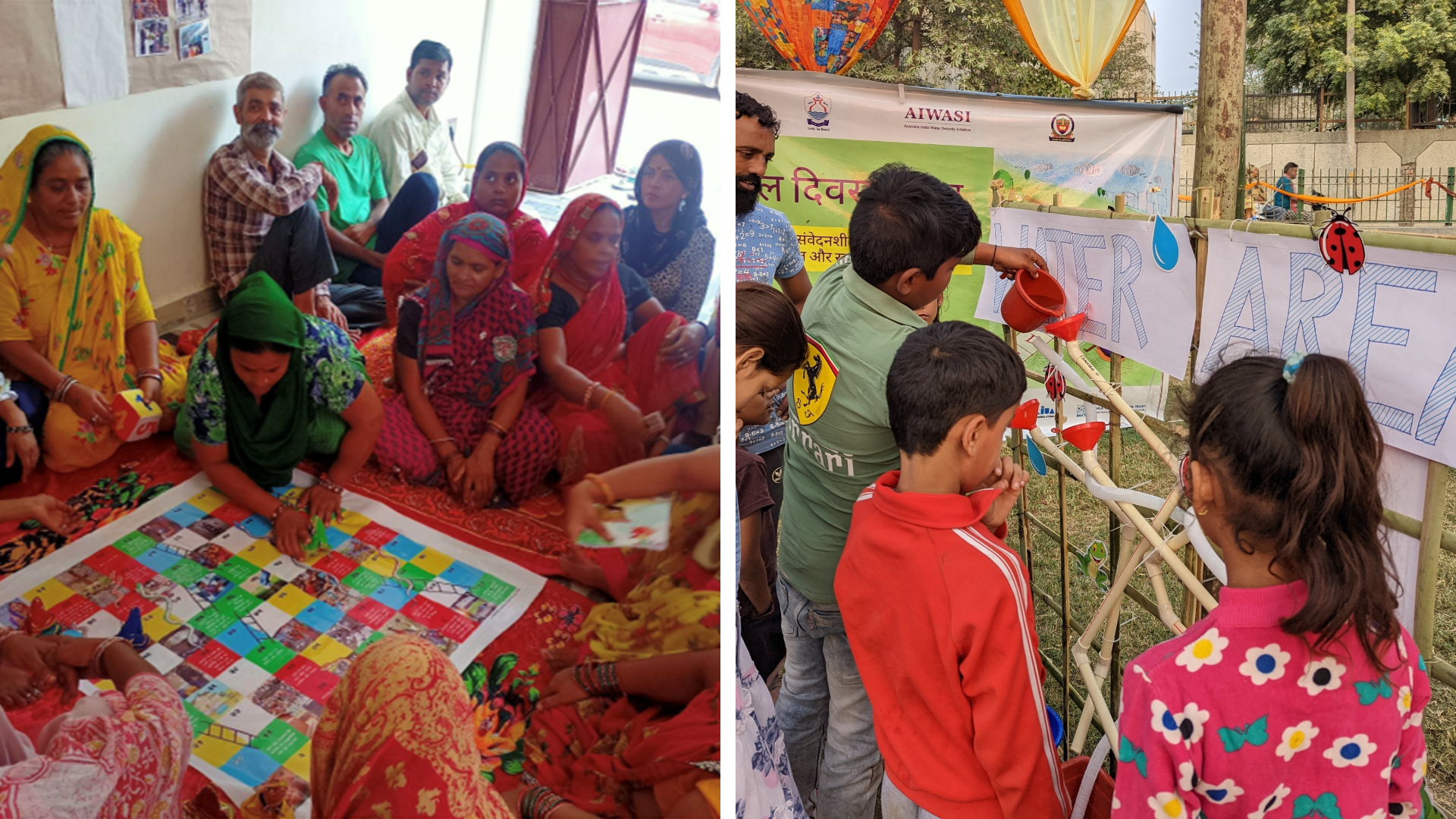
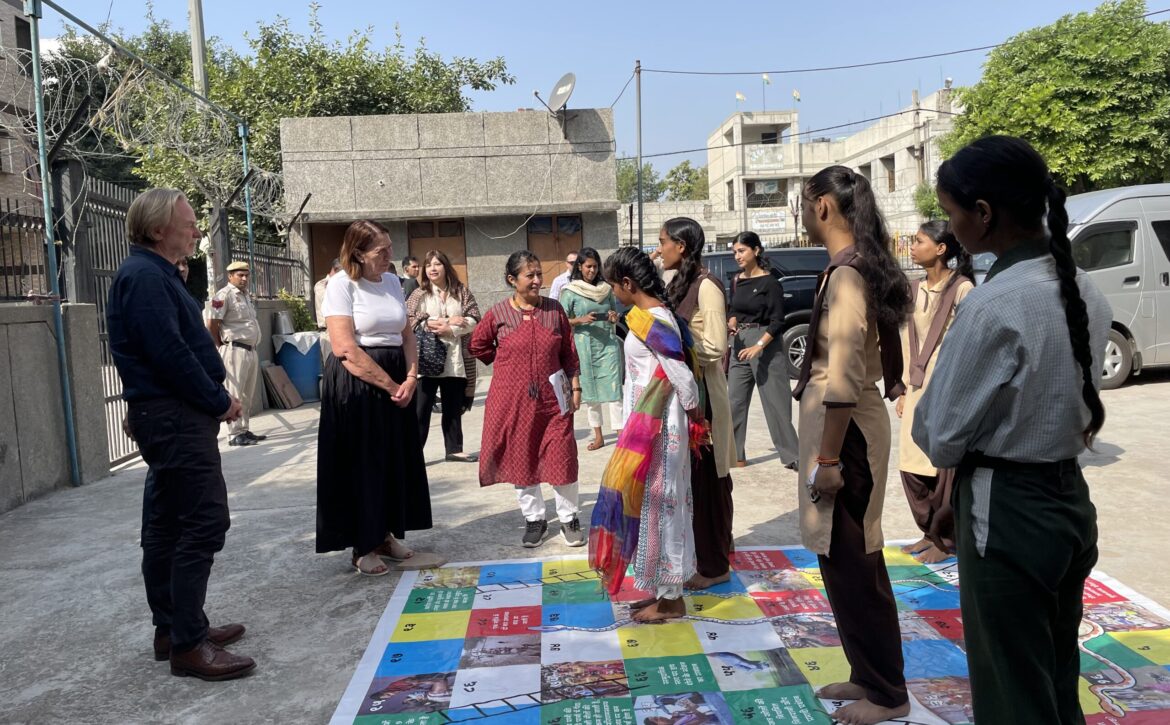
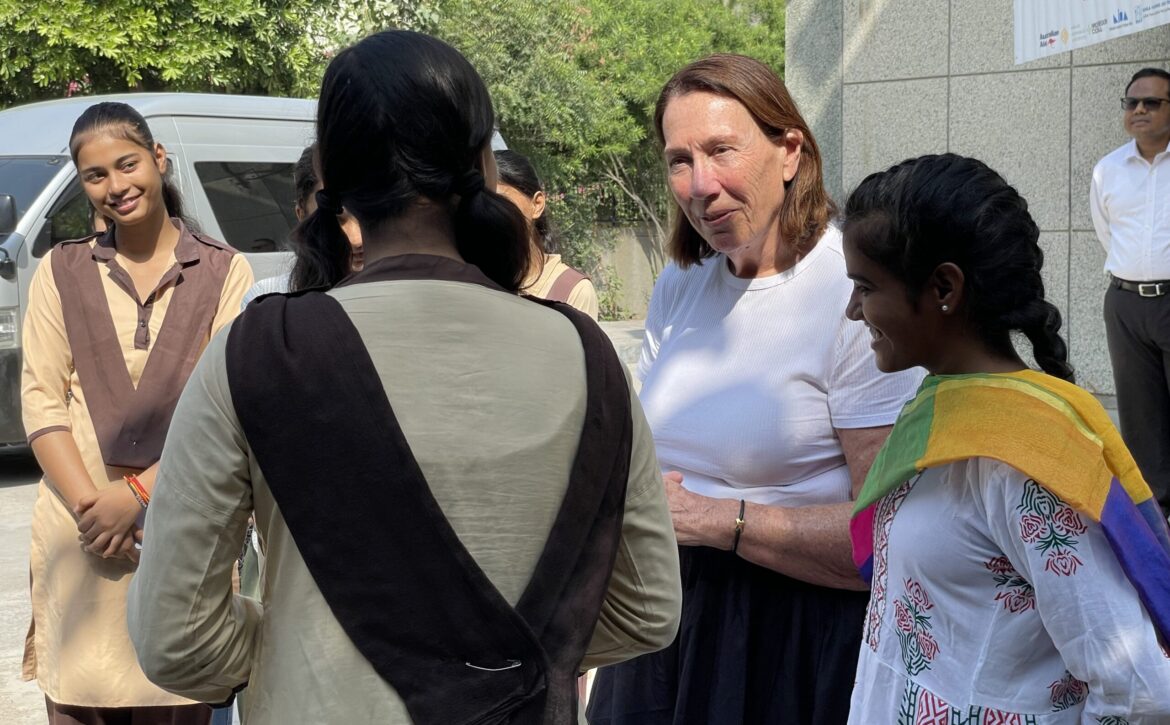
Ms. Lines met schoolgirls from the community as they demonstrated a snakes and ladders game, designed to engage and raise awareness about water and sanitation issues. Additionally, she spoke to women-led local community groups and listened to their experiences in driving water positive change. The residents demonstrated various initiatives undertaken by them, to improve the lives of their families and community.

Australian High Commissioner to India, Mr. Philip Green spoke about the importance of ‘male champions of change’ supporting women in their communities to take on leadership roles.

Read More
English »